

Facing Opposition
Read for This Week’s Study
Ezra 4:1–5, 2 Cor. 6:14, Ezra 5:1–5, Haggai 1, Ezra 4:6–24, Nehemiah 4, Neh. 6:1–13.
Memory Text
“But the eye of their God was upon the elders of the Jews, so that they could not make them cease till a report could go to Darius. Then a written answer was returned concerning this matter” (Ezra 5:5, NKJV).
Ezra 3–6 is structured thematically, covering different historical periods of opposition to the rebuilding of the temple. Recognizing this thematic approach will help clarify the overall message.
Ezra is mentioned for the first time by name in Ezra 7:1. With his arrival in 457 b.c., things changed, and the city of Jerusalem with its wall began to be spasmodically rebuilt. Thirteen years later Nehemiah arrived (sent by Artaxerxes in 444 b.c.), and the building of the wall was finally resumed. Although the opposition was intense, the work was completed in 52 days (Neh. 6:15).
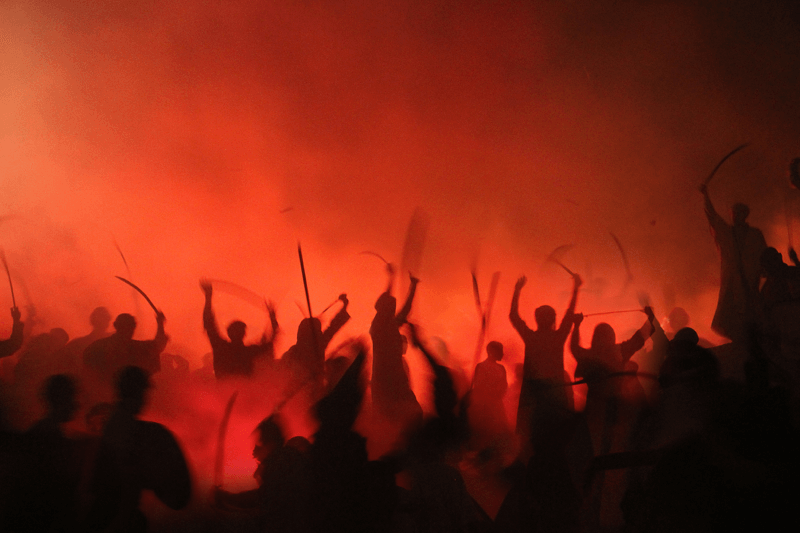
Resistance to the work of God is a prevalent theme in the two books of Ezra and Nehemiah; therefore, it is not surprising that rebuilding the temple and Jerusalem incited opposition and persecution. Wherever we turn in today’s world, the work of the Lord is resisted. Satan tries to make sure that the gospel doesn’t spread quickly, as it threatens his dominion. In Ezra and Nehemiah, how did the Jews handle the opposition?
* Study this week’s lesson to prepare for Sabbath, October 26.
Additional Reading: Selected Quotes from Ellen G. White
In every age and in every land, God’s messengers have been called upon to meet bitter opposition from those who deliberately chose to reject the light of heaven. Often, by misrepresentation and falsehood, the enemies of the gospel have seemingly triumphed, closing the doors by which God’s messengers might gain access to the people. But these doors cannot remain forever closed, and often, as God’s servants have returned after a time to resume their labors, the Lord has wrought mightily in their behalf, enabling them to establish memorials to the glory of His name.—The Acts of the Apostles, p. 179.
God does not prevent the plottings of wicked men, but He causes their devices to work for good to those who in trial and conflict maintain their faith and loyalty. Often the gospel laborer carries on his work amid storms of persecution, bitter opposition, and unjust reproach. At such times let him remember that the experience to be gained in the furnace of trial and affliction is worth all the pain it costs. Thus God brings His children near to Him, that He may show them their weakness and His strength. He teaches them to lean on Him. Thus He prepares them to meet emergencies, to fill positions of trust, and to accomplish the great purpose for which their powers were given them.
In all ages God’s appointed witnesses have exposed themselves to reproach and persecution for the truth’s sake. Joseph was maligned and persecuted because he preserved his virtue and integrity. David, the chosen messenger of God, was hunted like a beast of prey by his enemies. Daniel was cast into a den of lions because he was true to his allegiance to heaven. . . . Stephen was stoned because he preached Christ and Him crucified. Paul was imprisoned, beaten with rods, stoned, and finally put to death because he was a faithful messenger for God to the Gentiles. . . .
These examples of human steadfastness bear witness to the faithfulness of God’s promises—of His abiding presence and sustaining grace.—The Acts of the Apostles, pp. 574, 575.
Christ was a man of sorrows and acquainted with grief. He endured the persecutions and contradiction of sinners; He was poor, and suffered hunger and fatigue; He was tempted by the devil, and His works and teachings called forth the bitterest hatred. Of what do we deny ourselves for Christ’s sake? Where is our devotion to the truth? We shun the things which do not please us, and avoid care and responsibilities. Can we expect the power of God to work with our efforts when we have so little consecration to the work?—Testimonies for the Church, vol. 4, p. 379.