

Further Thought
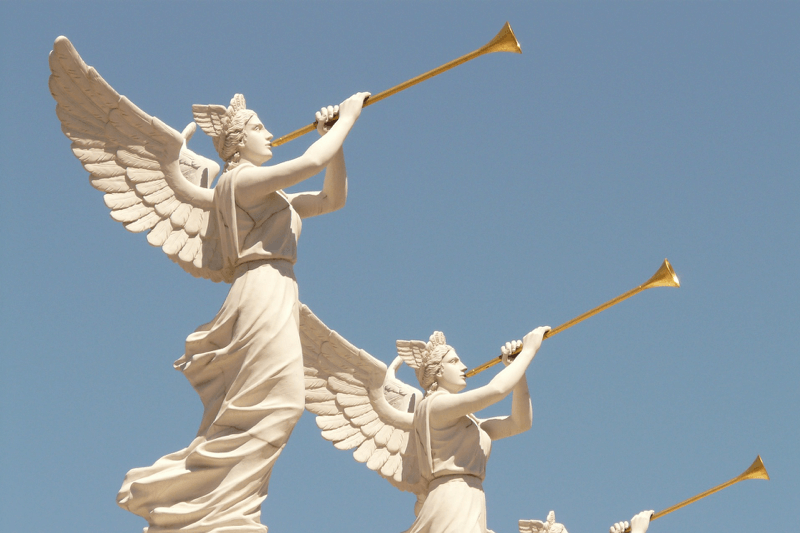
The seventh trumpet (Rev. 11:15–18) signals the conclusion of this earth’s history. The time has come for God to reveal His power and to reign. This rebellious planet, which has been under the dominion of Satan for thousands of years, is about to come back under God’s dominion and rule. It was after Christ’s death on the cross and His ascension to heaven that Christ was proclaimed to be the legitimate ruler of the earth (Rev. 12:10, 11). Satan continues to wreak all the havoc he can, knowing that his time is short (Rev. 12:12). The seventh trumpet heralds that the usurping powers have been dealt with and that this world finally has come under Christ’s rightful rule.
The seventh trumpet outlines the content of the remainder of the book: (1) The nations were angry: Revelation 12–14 describes Satan as filled with anger (Rev. 12:17), who with his two allies—the sea beast and the earth beast—prepares the nations of the world to fight against God’s people. (2) Your wrath has come: God’s answer to the anger of the nations is the seven last plagues, which are referred to as God’s wrath (see Rev. 15:1). (3) The time for the dead to be judged is described in Revelation 20:11–15. (4) And to reward God’s servants is portrayed in Revelation 21 and 22. (5) To destroy those who destroy the earth: Revelation 19:2 states that end-time Babylon is judged because it destroyed the earth. The destruction of Satan, his hosts, and his two allies is the final act in the drama of the great controversy (Rev. 19:11–20:15).
Discussion Questions:
At times we find that preaching the gospel can be a bitter experience (Rev. 10:10); our words are rejected and mocked, and we ourselves can be rejected and mocked. Sometimes preaching can even stir up opposition. What Bible characters can you think of who faced such trials, and what can we learn from their experiences for ourselves?
Reflect on the following statement: “Again and again have I been warned in regard to time setting. There will never again be a message for the people of God that will be based on time. We are not to know the definite time either for the outpouring of the Holy Spirit or for the coming of Christ.”—Ellen G. White, Selected Messages, book 1, p. 188. What problems do you see with drafting overly detailed prophetic charts of the final events after 1844? How can one safeguard against the pitfalls that charts like these may bring?
Additional Reading: Notes from Ellen G. White
Testimonies for the Church, vol. 2, “Selling the Birthright,” p. 41;
The Great Controversy, “The Bible and the French Revolution,” pp. 265–288.