

The People’s Response
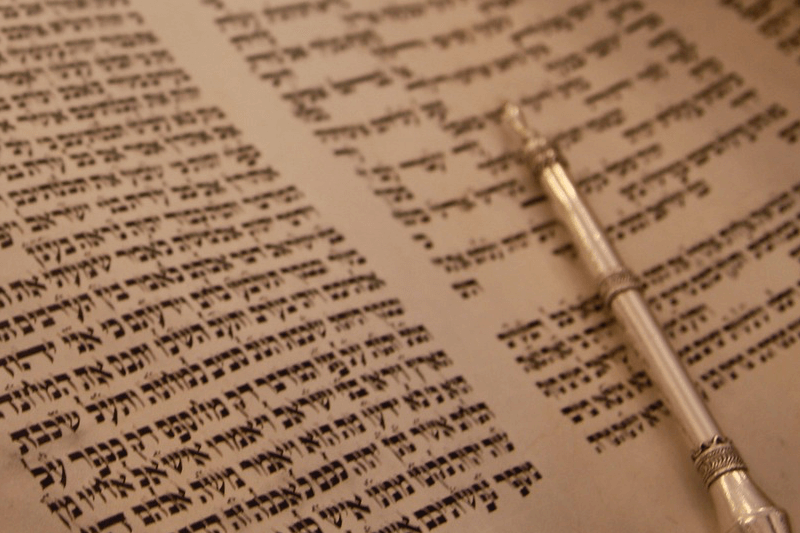
When Ezra opens up the Word of God, the Hebrew Torah, the people stand up. Before Ezra reads, he blesses God. After he reads, the people respond with “Amen, Amen!” (Neh. 8:5, 6, NKJV) in unison as they lift their hands toward heaven. They then bow their heads down and worship with their faces to the ground.
Read Nehemiah 8:9–12. Why did the leaders tell the people not to “mourn nor weep”?
“So, in later years, when the law of God was read in Jerusalem to the captives returned from Babylon, and the people wept because of their transgressions, the gracious words were spoken: ‘Mourn not. . . . Go your way, eat the fat, and drink the sweet, and send portions unto them for whom nothing is prepared: for this day is holy unto our Lord: neither be ye sorry; for the joy of the Lord is your strength.’ Nehemiah 8:9, 10.”—Ellen G. White, The Ministry of Healing, p. 281.
As the people were listening to the words of God, they were struck by their own sinfulness and began to weep. When God reveals Himself to us, and we begin to grasp that God is full of love, goodness, mercy, and faithfulness, our own inadequacies and failure to be what we should be come to the forefront. Seeing God’s holiness through His Word causes us to see our terribleness in a new light. This realization caused the people of Israel to weep and mourn, but they were not to sorrow, “for the joy of the Lord is your strength” (Neh. 8:10). In other words, despite their failures, they could trust in the power of God.
This also was a special day, a holy day, the Feast of Trumpets (Rosh Hashanah), on which short blasts of the trumpets signaled the importance of “heart” preparation for the judgment of the Lord (Day of Atonement, celebrated on the 10th day of the month of Tishri). The blowing of the trumpets signaled a call to stand before God and repent. Because the day was designed to remind the people to turn to God, the weeping and mourning is understandable. But the leaders reminded them that once they had repented, God had heard them, and therefore it was time to rejoice in God’s forgiveness.
What should it tell us about just how bad sin is that it put Jesus on the cross as the only way to solve the problem of sin and to give us hope?
Additional Reading: Selected Quotes from Ellen G. White
As they had listened from day to day to the words of the law, the people had been convicted of their transgressions, and of the sins of their nation in past generations. They saw that it was because of a departure from God that His protecting care had been withdrawn and that the children of Abraham had been scattered in foreign lands, and they determined to seek His mercy and to pledge themselves to walk in His commandments. Before entering upon this solemn service, held on the second day after the close of the Feast of Tabernacles, they separated themselves from the heathen among them.
As the people prostrated themselves before the Lord, confessing their sins and pleading for pardon, their leaders encouraged them to believe that God, according to His promise, heard their prayers. They must not only mourn and weep, and repent, but they must believe that God pardoned them. They must show their faith by recounting His mercies and praising Him for His goodness. “Stand up,” said these teachers, “and bless the Lord your God for ever and ever.”—Prophets and Kings, pp. 665, 666.
“A merry [rejoicing] heart doeth good like a medicine.” Proverbs 17:22. Gratitude, rejoicing, benevolence, trust in God’s love and care—these are health’s greatest safeguard. To the Israelites they were to be the very keynote of life. . . .
And it was published and proclaimed “in all their cities, and in Jerusalem, saying, Go forth unto the mount, and fetch olive branches, and pine branches, and myrtle branches, and palm branches, and branches of thick trees, to make booths, as it is written. So the people went forth, and brought them, and made themselves booths, everyone upon the roof of his house, and in their courts, and in the courts of the house of God, and in the street of the water gate, and in the street of the gate of Ephraim. And all the congregation of them that were come again out of the captivity made booths, and sat under the booths. . . . And there was very great gladness.” Nehemiah 8:15-17.—The Ministry of Healing, pp. 281–283.
Look up, you that are doubting and trembling; for Jesus lives to make intercession for us. Thank God for the gift of His dear Son and pray that He may not have died for you in vain. The Spirit invites you today. Come with your whole heart to Jesus, and you may claim His blessing.
As you read the promises, remember they are the expression of unutterable love and pity. The great heart of Infinite Love is drawn toward the sinner with boundless compassion. “We have redemption through His blood, the forgiveness of sins.” Ephesians 1:7. Yes, only believe that God is your helper. He wants to restore His moral image in man. As you draw near to Him with confession and repentance, He will draw near to you with mercy and forgiveness.—Steps to Christ, pp. 54, 55.