

Jesus’ Perfect Sacrifice
Read Hebrews 7:27 and Hebrews 10:10. How is Jesus’ sacrifice described in these passages?
The Levitical priests—who were “many in number, because they were prevented by death from continuing in office” (Heb. 7:23, ESV)—are contrasted with Jesus, who lives forever and has an eternal priesthood (Heb. 7:24, 25). Levitical priests “daily” (Heb. 7:27) and “every year” (Heb. 9:25) offered gifts and sacrifices “that cannot perfect the conscience of the worshiper” (Heb. 9:9, ESV; Heb. 10:1–4).
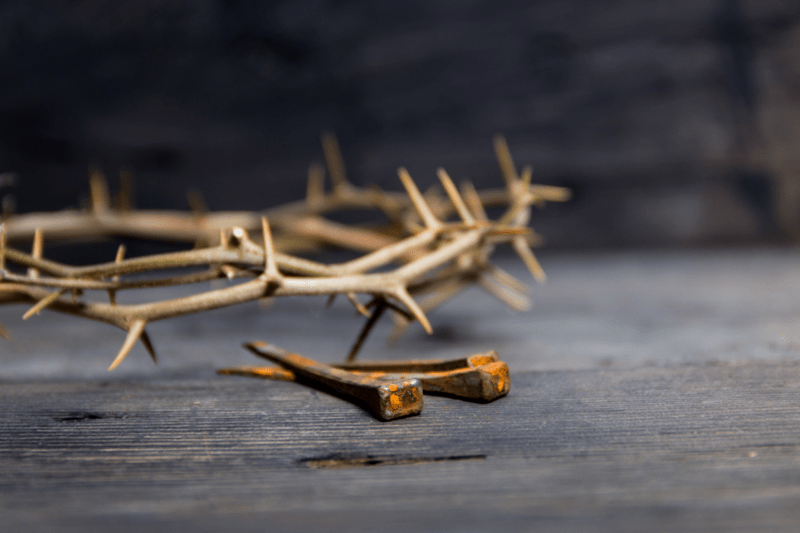
Jesus, however, offered Himself “once for all” a “single sacrifice” (Heb. 10:10, 12–14, ESV) that cleanses our consciences (Heb. 9:14, Heb. 10:1–10) and puts away sin (Heb. 9:26). Jesus’ sacrifice is superior to the sacrifice of animals because Jesus was the Son of God (Heb. 7:26–28), who perfectly fulfilled God’s will (Heb. 10:5–10).
The description of the sacrifice of Jesus as having occurred “once for all” has several important implications.
First, Jesus’ sacrifice is perfectly effective and never to be surpassed. The sacrifices of the Levitical priests were repeated because they were not effective; otherwise “would they not have ceased to be offered, since the worshipers, having once been cleansed, would no longer have any consciousness of sins?” (Heb. 10:2, ESV).
Second, all the different kinds of sacrifices of the Old Testament found their fulfillment at the cross. Thus, Jesus not only cleanses us from sin (Heb. 9:14), but He also provides sanctification (Heb. 10:10–14) by putting sin away from our lives (Heb. 9:26). Before the priests could approach God in the sanctuary and minister in behalf of their fellow human beings, they had to be cleansed and sanctified, or consecrated (Leviticus 8, Leviticus 9). Jesus’ sacrifice cleanses us and consecrates us (Heb. 10:10–14) so that we may approach God with confidence (Heb. 10:19–23) and serve Him as “a royal priesthood” (Heb. 9:14, 1 Pet. 2:9).
Finally, Jesus’ sacrifice also provides nourishment for our spiritual life. It provides an example that we need to observe and follow. Thus, Hebrews invites us to fix our eyes upon Jesus, especially the events of the cross, and follow His lead (Heb. 12:1–4; Heb. 13:12, 13).
The Cross is the basis for all the benefits that God bestows upon us. It provides purification from sin, sanctification to serve, and nourishment to grow. How can we better experience what we have been given in Jesus?
Supplemental EGW Notes
While God has desired to teach men that from His own love comes the Gift which reconciles them to Himself, the archenemy of mankind has endeavored to represent God as one who delights in their destruction. Thus the sacrifices and ordinances designed of Heaven to reveal divine love have been perverted.
In word and in deed the Messiah, during His earthly ministry, was to reveal to mankind the glory of God the Father. Every act of His life, every word spoken, every miracle wrought, was to make known to fallen humanity the infinite love of God. . . .
Thus, through patriarchs and prophets, as well as through types and symbols, God spoke to the world concerning the coming of a Deliverer from sin.—Lift Him Up, p. 26.
The foundation of our hope in Christ is the fact that we recognize ourselves as sinners in need of restoration and redemption. It is because we are sinners that we have courage to claim Him as our Saviour. Then let us take heed lest we deal with the erring in a way that would say to others that we have no need of redemption. Let us not denounce, condemn, and destroy as though we were faultless. It is the work of Christ to mend, to heal, to restore. God is love. . . . He . . . gives Satan no occasion for triumphing by making the worst appear or by exposing our weaknesses to our enemies.
Christ came to bring salvation within the reach of all. . . . The most erring, the most sinful, were not passed by; His labors were especially for those who most needed the salvation He came to bring. The greater their need of reform, the deeper was His interest, the greater His sympathy, and the more earnest His labors. His great heart of love was stirred to its depths for the ones whose condition was most hopeless and who most needed His transforming grace.—In Heavenly Places, p. 291.
There is no rest for the living Christian this side of the eternal world. To obey God’s commandments is to do right and only right. This is Christian manliness. But many need to take frequent lessons from the life of Christ, who is the Author and Finisher of our faith. “Consider Him that endured such contradiction of sinners against Himself, lest ye be wearied and faint in your minds. Ye have not yet resisted unto blood, striving against sin.” You are to show a growth in the Christian graces. By manifesting meekness under provocation and growing away from low earthliness you give evidence that you have an indwelling Saviour, and every thought, word, and deed attracts men to Jesus rather than to self. There is a great amount of work to be done and but little time in which to do it. Let it be your lifework to inspire all with the thought that they have a work to do for Christ. Wherever there are duties to be done which others do not understand because they do not wish to see their lifework, accept them and do them.
The standard of morality is not exalted high enough among God’s people.—Testimonies for the Church, vol. 5, p. 597.
The above quotations are taken from Ellen G. White Notes for the Sabbath School Lessons, published by Pacific Press Publishing Association. Used by permission.