

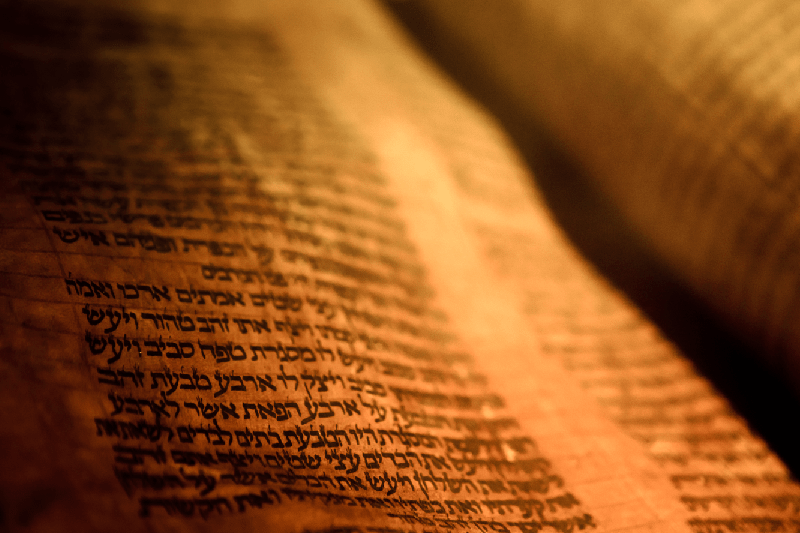
The Book of the Law
King Josiah of Judah, who was eight years old when he became king, reigned 31 years (640 b.c.–609 b.c.) before his death on the battlefield. In the eighteenth year of his reign, something happened that, at least for a while, changed the history of God’s people.
Read 2 Kings 22. What lessons can we learn from this incident?
Scholars have long concluded that the “Book of the Law” (2 Kings 22:8, NKJV) was Deuteronomy, which apparently had been lost to the people for many years.
“Josiah was deeply stirred as he heard read for the first time the exhortations and warnings recorded in this ancient manuscript. Never before had he realized so fully the plainness with which God had set before Israel ‘life and death, blessing and cursing’ (Deuteronomy 30:19). . . . The book abounded in assurances of God’s willingness to save to the uttermost those who should place their trust fully in Him. As He had wrought in their deliverance from Egyptian bondage, so would He work mightily in establishing them in the Land of Promise and in placing them at the head of the nations of earth.”—Ellen G. White, Prophets and Kings, p. 393.
All through the next chapter, we can see just how seriously King Josiah sought “to keep His commandments and His testimonies and His statutes, with all his heart and all his soul” (2 Kings 23:3, NKJV; see also Deut. 4:29, Deut. 6:5, Deut. 10:12, Deut. 11:13). And this reformation included a cleansing and purging of “all the abominations that were seen in the land of Judah and in Jerusalem, that he might perform the words of the law which were written in the book that Hilkiah the priest found in the house of the Lord” (2 Kings 23:24, NKJV).
Deuteronomy was filled with warnings and admonitions against following the practices of the nations around them. The actions of Josiah, and all the things that he did, which included the execution of what must have been idolatrous priests in Samaria (2 Kings 23:20), revealed just how far the people of God had strayed from the truth entrusted to them. Instead of remaining the holy people they were supposed to be, they compromised with the world, even though they often thought, We are just fine with the Lord, thank you.
What a dangerous deception.
In our own homes or even in church institutions, what things might we need to purge thoroughly in order truly to serve the Lord with all our heart and soul?
Supplemental EGW Notes
Josiah . . . proposed that those highest in authority unite with the people in solemnly covenanting before God to co-operate with one another in an effort to institute decided changes. “The king stood by a pillar, and made a covenant before the Lord, to walk after the Lord, and to keep His commandments and His testimonies and His statutes with all their heart and all their soul, to perform the words of this covenant that were written in this book.” The response was more hearty than the king had dared hope for: “All the people stood to the covenant.”
In the reformation that followed, the king turned his attention to the destruction of every vestige of idolatry that remained. So long had the inhabitants of the land followed the customs of the surrounding nations in bowing down to images of wood and stone, that it seemed almost beyond the power of man to remove every trace of these evils. But Josiah persevered in his effort to cleanse the land. Sternly he met idolatry by slaying “all the priests of the high places;” “moreover the workers with familiar spirits, and the wizards, and the images, and the idols, and all the abominations that were spied in the land of Judah and in Jerusalem, did Josiah put away, that he might perform the words of the law which were written in the book that Hilkiah the priest found in the house of the Lord.”—Prophets and Kings, pp. 400, 401.
God requires that we confess our sins and humble our hearts before Him; but at the same time we should have confidence in Him as a tender Father, who will not forsake those who put their trust in Him. . . .
God does not give us up because of our sins. We may make mistakes and grieve His Spirit, but when we repent and come to Him with contrite hearts, He will not turn us away. There are hindrances to be removed. Wrong feelings have been cherished, and there have been pride, self-sufficiency, impatience, and murmurings. All these separate us from God. Sins must be confessed; there must be a deeper work of grace in the heart. Those who feel weak and discouraged may become strong men of God and do noble work for the Master.—Faith and Works, p. 35.
Confession will not be acceptable to God without sincere repentance and reformation. There must be decided changes in the life; everything offensive to God must be put away. This will be the result of genuine sorrow for sin. The work that we have to do on our part is plainly set before us: “Wash you, make you clean; put away the evil of your doings from before Mine eyes; cease to do evil; learn to do well; seek judgment, relieve the oppressed, judge the fatherless, plead for the widow.” Isaiah 1:16, 17.—Steps to Christ, p. 39.
The above quotations are taken from Ellen G. White Notes for the Sabbath School Lessons, published by Pacific Press Publishing Association. Used by permission.