

The People Gather
Read Nehemiah 8:1, 2. What should this tell us about how important the Word of God was to the people?
When the Jews finally completed the building of the wall and moved into Jerusalem, they all gathered in Jerusalem’s open square in the seventh month. The seventh month, the month of Tishri, was perhaps the most important month for the Israelites, as it was dedicated to the Feast of Trumpets (preparation for God’s judgment, first day of the month), the Day of Atonement (judgment day, 10th day of the month), and the Feast of Tabernacles (remembering God’s deliverance from Egypt and His provision through the journey in the wilderness, 15th day of the month). The gathering took place on the first day of the month, on which the Feast of Trumpets was celebrated. The leaders called together the men and women of the nation for this special assembly in order, through the reading of the Law, to provide an opportunity for them to learn about their God and history.
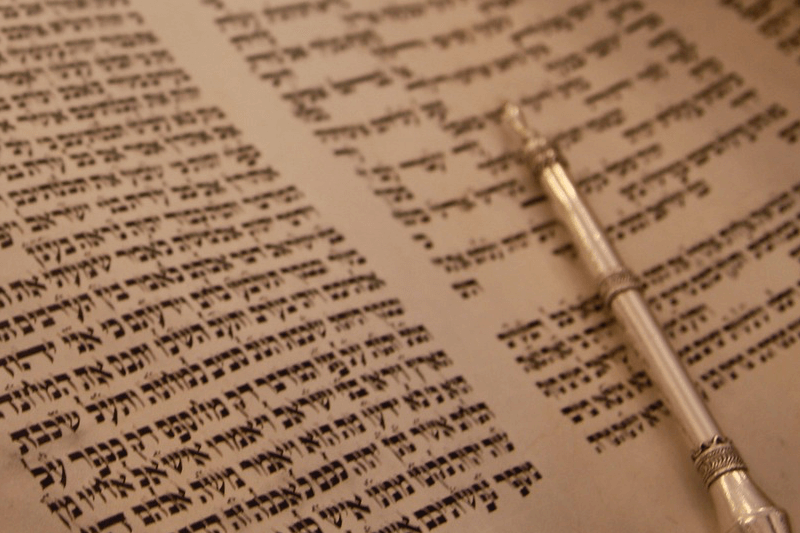
The people invited Ezra to bring the book of the Law of Moses before them and to read it. They even constructed a platform, a pulpit, for the occasion. It was not something that the leaders forced on the congregation. On the contrary, “they,” the people, told Ezra to bring the Book. Most likely Ezra read to the people from the books of Moses, which included the law given to Moses on Mount Sinai.
Read Deuteronomy 31:9–13. What did the Lord tell them there, and what lessons can we take from that for ourselves?
In Deuteronomy 31:9–13, Moses told the Israelites that during the Feast of Tabernacles they were to gather and read together the Law of God, and it mentions the various groups that should gather: men, women, children, and foreigners living within their gates.
A literal reading of Nehemiah 8:1 says that they gathered together “as one man.” What does that tell us about the importance of unity among the body of believers?
Additional Reading: Selected Quotes from Ellen G. White
The wall of Jerusalem had been rebuilt and the gates set up, but a large part of the city was still in ruins.
On a platform of wood, erected in one of the broadest streets, and surrounded on every hand by the sad reminders of Judah’s departed glory, stood Ezra, now an aged man. At his right and left were gathered his brother Levites. Looking down from the platform, their eyes swept over a sea of heads. From all the surrounding country the children of the covenant had assembled. “And Ezra blessed the Lord, the great God. And all the people answered, Amen: . . . and they bowed their heads, and worshiped the Lord with their faces to the ground.”—Prophets and Kings, p. 661.
The law was not only written upon the memorial stones, but was read by Joshua himself in the hearing of all Israel. It had not been many weeks since Moses gave the whole book of Deuteronomy in discourses to the people, yet now Joshua read the law again.
Not alone the men of Israel, but “all the women and the little ones” listened to the reading of the law; for it was important that they also should know and do their duty. . . .
Satan is ever at work endeavoring to pervert what God has spoken, to blind the mind and darken the understanding, and thus lead men into sin. This is why the Lord is so explicit, making His requirements so very plain that none need err. God is constantly seeking to draw men close under His protection, that Satan may not practice his cruel, deceptive power upon them. He has condescended to speak to them with His own voice, to write with His own hand the living oracles. And these blessed words, all instinct with life and luminous with truth, are committed to men as a perfect guide. Because Satan is so ready to catch away the mind and divert the affections from the Lord’s promises and requirements, the greater diligence is needed to fix them in the mind and impress them upon the heart.—Patriarchs and Prophets, pp. 503, 504.
God opens the understanding of men in a marked manner if His words are brought into the practical life . . . and the Bible is recognized as the precious, wonderful book that it is. . . . It is that wisdom which, brought into the practical life, makes men wise through time and through eternity. God is revealed in nature; God is revealed in His word. The Bible is the most wonderful of all histories, for it is the production of God, not of the finite mind. It carries us back through the centuries to the beginning of all things, presenting the history of times and scenes which would otherwise never have been known. It reveals the glory of God in the working of His providence to save a fallen world. It presents in the simplest language the mighty power of the gospel, which, received, would cut the chains that bind men to Satan’s chariot.—Fundamentals of Christian Education, p. 377.