

Loss of Trust, Continued
Another way that trust is lost is through family violence. Unthinkable as it is, research reveals that the home is the single most violent place in society. Family violence touches all kinds of families, including Christian homes. Violence is an assault of any kind—verbal, physical, emotional, sexual, or active or passive neglect—that is committed by one or more persons against another in the family.
The Bible includes accounts of family violence, even among God’s people. What are your thoughts and feelings as you read these verses?
Why do you think these stories were preserved in Scripture?
Gen. 37:17–28
2 Sam. 13:1–22
2 Kings 16:3, 17:17, 21:6
Abusive behavior is the conscious choice of a person to exercise power and control over another. It cannot be explained or excused by alcoholism, stress, the need to fulfill sexual desires, the need for better control of anger, or any behavior of the victim. Victims are not responsible for causing the abuser to abuse. Abusers distort and pervert love, for “love does no harm” (Rom. 13:10, NIV). Professional treatment can facilitate change in an abuser’s behavior but only if the person takes responsibility for the behavior and seeks such help. To those who will open themselves to His presence, God is able to do exceedingly abundantly to help abusers stop abusing, to repent of their attitudes and behavior, to make restitution in every way possible, and to embrace the qualities of agape love to heal their own hearts and to love others (compare Eph. 3:20).
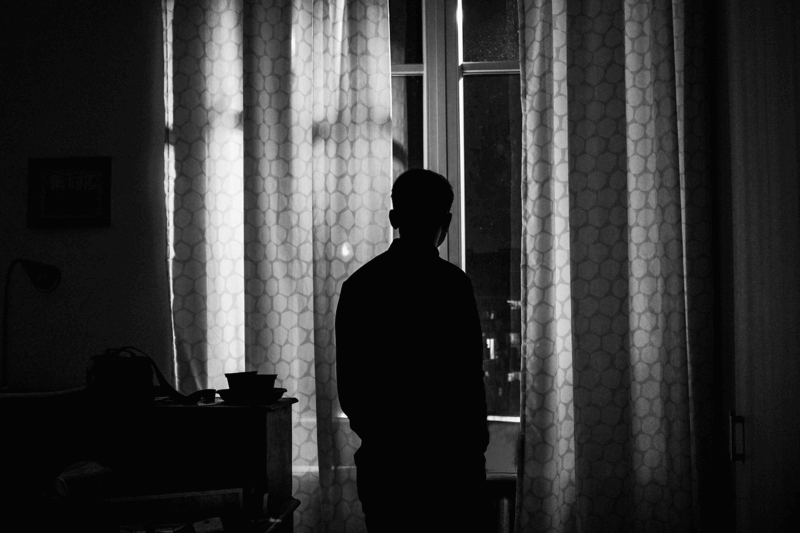
Try to put yourself in the place of someone traumatized by violence. What words of acceptance, comfort, and hope would you like to hear? Why is it important to provide safety and caring acceptance rather than offering advice about how to live better with the abuser?
Additional Reading: Selected Quotes from Ellen G. White
After the fall of our first parents, Christ declared that in order to save man from the penalty of sin, He would come to the world to conquer Satan on the enemy’s own battlefield. The controversy that began in heaven was to be continued on the earth. . . .
Christ entered upon His mission of mercy, and from the manger to the cross was beset by the enemy. Satan contested every inch of ground, exerting his utmost power to overcome Him. Like a tempest temptation after temptation beat upon Him. But the more mercilessly they fell, the more firmly did the Son of God cling to the hand of His Father, and press on in the bloodstained path.
The severity of the conflict through which Christ passed was proportionate to the vastness of the interests involved in His success or failure. . . . Satan sought to overthrow Christ, in order that he himself might continue to reign in this world as supreme. . . . The Father, the Son, and Lucifer have been revealed in their true relation to one another. God has given unmistakable evidence of His justice and His love.—Reflecting Christ, p. 58.
It is the work of the Holy Spirit from age to age to impart love to human hearts, for love is the living principle of brotherhood.
Not one nook or corner of the soul is to be a hiding place for selfishness. God desires that heaven’s plan shall be carried out, and heaven’s divine order and harmony prevail, in every family, in every church, in every institution. Did this love leaven society, we should see the outworking of noble principles of Christian refinement and courtesy, and in Christian charity toward the purchase of the blood of Christ. Spiritual transformation would be seen in all our families, in our institutions, in our churches. When this transformation takes place, these agencies will become instrumentalities by which God will impart heaven’s light to the world and thus, through divine discipline and training, fit men and women for the society of heaven.—Testimonies for the Church, vol. 8, pp. 139, 140.
Do not be overanxious about anything. Go quietly about your duty which the day brings you. Do the best you can; ask God to be your helper. . . . Oh, trust in Jesus and not in your own heart! Cast your burden and yourself upon Him. If you feel no joy, no consolation, do not be discouraged. Hope and believe. You may have a precious experience in the things of God. Wrestle with your discouragements and doubts until you gain the victory over them in Jesus’ name. Do not encourage grief, despondency, and darkness. . . . Repose in the broad, sure promises of God. Rest in these promises, without a doubt. . . .
Find time to comfort some other heart, to bless with a kind, cheering word someone who is battling with temptation and maybe with affliction. In thus blessing another with cheering, hopeful words, pointing him to the Burden Bearer, you may unexpectedly find peace, happiness, and consolation yourself.—Our High Calling, p. 64.